HOA Karen Called the Cops on My Pond BBQ 9 Minutes Later, I Kicked Her HOA Off My Land.h
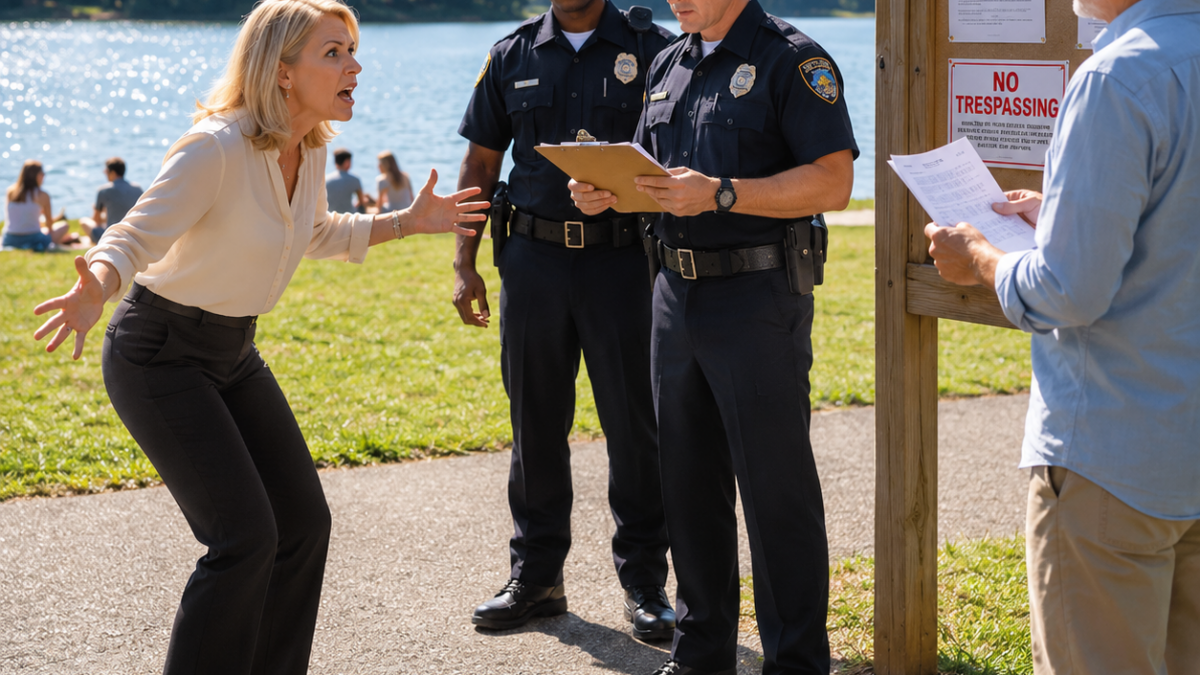
I did not hand the envelope to Sergeant Brooks.
That part matters.
Police officers do not become process servers just because the homeowner has a satisfying piece of paper in his hand.
I walked toward Brenda myself.
Officer Carter moved with me, not because he was delivering anything, but because Brenda had spent the previous five minutes talking louder every time somebody corrected her.
She looked at the envelope.
“What is that?”
“A letter from my attorney.”
“I don’t accept legal documents from you.”
“You don’t have to sign anything.”
I held it out.
“It’s also being sent to the association’s registered agent and management company.”
She did not take it.
So I placed it on the picnic table.
“You can read that copy or wait for yours.”
Her eyes narrowed.
“What does it say?”
“That the HOA does not have recorded ownership of the pond property.”
“I know you keep claiming that.”
“And the walking path.”
That stopped her.
“What about the walking path?”
I nodded toward the gravel trail visible through the trees.
“The section from the north gate to the old sycamore sits on my parcel.”
“No, it doesn’t.”
“The new survey says it does.”
“That path belongs to Whispering Pines.”
“Show me the deed.”
Her expression changed.
Not much.
Enough.
“We’ve maintained that path for ten years.”
“That doesn’t answer the question.”
“We installed benches.”
“Yes.”
“Trail markers.”
“Yes.”
“Insurance.”
“Maybe.”
She stepped toward me.
“And you think you can suddenly steal a community amenity?”
I almost laughed.
“Brenda, I’m not stealing the trail.”
“The trail is on my land.”
Sergeant Brooks spoke before she could respond.
“Ma’am, this sounds like a civil property issue.”
Exactly.
Brenda pointed at him.
“Then why are you taking his side?”
“I’m not.”
“You just told me to leave.”
“Because the person currently controlling this property has asked you to leave, and I have no court order establishing your association’s right to remain here.”
“He has thirty people trespassing on community land.”
Brooks looked toward the tables.
“They’re his invited guests.”
“According to him.”
“Correct.”
She made a sound of pure frustration.
Officer Carter said:
“Ms. Miller, if you believe the HOA has an easement, your attorney can address it.”
“I am the president.”
“That’s not the same thing as being the attorney.”
A few people laughed.
I wished they hadn’t.
Humiliation makes stubborn people worse.
Brenda heard.
Her jaw tightened.
Then she pointed at me.
“This is not finished.”
“No.”
“It isn’t.”
I said.
“But the barbecue is.”
“No, it’s not.”
She looked confused.
“I mean the barbecue is continuing.”
That got another laugh.
Brenda turned toward the officers.
“Are you seriously allowing this illegal assembly?”
Brooks sighed.
“Ma’am, we’ve been here nine minutes.”
“The music is not at a level suggesting a criminal noise violation.”
“We don’t see blocked roads.”
“No fighting.”
“No public intoxication issue.”
“The food vendor says he’s operating under his normal county permit.”
“And the property owner says this is a private gathering.”
“If you have evidence of a criminal offense, tell me.”
She opened her mouth.
Closed it.
Brooks continued.
“A covenant dispute is not something we enforce.”
That sentence spread through the crowd like somebody had opened a window.
People relaxed.
Not because HOA rules vanished.
Because everyone had watched Brenda call three patrol cars as if she were summoning her own enforcement division.
The officers were reminding her that association rules and criminal law were not interchangeable.
She did not like the distinction.
Finally she grabbed Thomas’s envelope from the table.
“I’ll see you in court.”
“That’s what the letter is for.”
She walked away.
Not escorted.
Not handcuffed.
Not publicly threatened with false-report charges.
She simply left because I had withdrawn permission for her to remain on my land and the police had made clear they were not going to shut down my barbecue for her.
That was enough.
The cruisers stayed another few minutes.
Sergeant Brooks took my information.
He asked for digital copy of video showing Brenda entering after I had repeatedly told her not to.
Not because he promised charges.
For documentation.
He said:
“If she comes back today after being clearly told to leave, call.”
“I will.”
“Do not physically remove her yourself.”
“I won’t.”
Then he looked at the pond.
“Burger any good?”
I smiled.
“Best evidence on property.”
He declined.
On duty.
The officers left.
The party did not instantly become wild.
For ten minutes everyone talked about Brenda.
That annoyed me.
I had invited people to eat.
Not attend a deposition.
So I walked to the speaker.
Turned the music up slightly.
Still reasonable.
Then I raised my drink.
“Anybody who mentions HOA for the next hour has to clean the grill.”
That worked.
Children went back to the shallow end.
David Mercer—my neighbor with the famously beige-mailbox fine—started a cannonball contest despite being forty-seven.
His wife told him he would rupture something.
Rachel Nolan brought a second tray of potato salad.
The food truck guy handed me a brisket sandwich and said:
“Best corporate event I’ve ever catered.”
“Not corporate.”
“Exactly.”
Around sunset, I found Thomas Vance sitting on the far dock with his shoes off.
He was technically my lawyer.
He was also my oldest friend.
We had played football together in high school until I discovered I was slow and he discovered he enjoyed arguing with referees more than playing.
Perfect career choice.
He looked across the pond.
“Well?”
“She took letter.”
“She read it?”
“Probably in car.”
“Police?”
“Did what police should.”
“Good.”
“No dramatic declaration that I own half the county.”
“Very disappointing.”
I sat beside him.
“What happens now?”
Thomas looked at me.
“Now everyone stops having fun.”
“Lawyers?”
“Lawyers.”
He took a sip.
“The trail is the complicated part.”
“You said it’s mine.”
“The dirt is yours.”
“Use rights are separate.”
That was why I hired him.
He ruined simple sentences.
“Explain.”
“The deeds do not show a recorded permanent easement in favor of HOA.”
“Good.”
“Yes.”
“But they have used it for roughly ten years.”
“With Grandpa’s permission.”
“We think.”
“You have his letters.”
“I have one letter.”
In 2009, the original developer, Walter Gaines, had written my grandfather asking permission for residents to walk a temporary pond loop while the subdivision’s own greenbelt was being graded.
Grandpa wrote by hand at bottom:
Neighbors can walk it as long as they shut gates and stay off hay field. No vehicles. No ownership transferred.
Then signed.
That was beautiful evidence of permissive use.
If use began with permission, it becomes harder for someone to claim hostile/adverse rights simply from continued use.
But permission can evolve.
Acquiescence.
Reliance.
Improvements.
Different doctrines.
Different facts.
Different state laws.
Thomas would not promise.
“Can I close it?”
“Maybe.”
“That sounds terrible.”
“It means don’t lock a gate tonight.”
“Why?”
“Because twenty-three families have used it for years.”
“Because the HOA has benches there.”
“Because we want to look reasonable.”
“Because if there is any emergency-access, drainage, utility, or implied-easement issue we missed, you don’t want to find out after trapping someone.”
“No one lives back there.”
“Still.”
He poked my shoulder.
“Do not become Brenda just because deed says your name.”
That shut me up.
“What do we do?”
“Notice.”
“Thirty days?”
“Probably.”
“Tell them permissive access is revoked unless agreement negotiated.”
“And until then?”
“Keep trail open.”
“Under conditions.”
“No motorized HOA maintenance equipment without permission.”
“No new signs.”
“No events.”
“No expansion.”
“Document.”
I nodded.
“So I didn’t actually kick them off my land today.”
Thomas smiled.
“You kicked their claimed jurisdiction off.”
“The trail comes later.”
Less satisfying.
More accurate.
The letter Brenda carried home said four things.
First:
Arthur Pendleton’s forty-acre parcel, including the three-acre pond, was not subject to the Whispering Pines Estates declaration based on title records reviewed to date.
Second:
The HOA must stop issuing covenant violations to me unless it could identify a recorded instrument binding my parcel.
Third:
The HOA’s existing walking path crossed land owned by me.
Fourth:
Any continued long-term use would need to be formalized by agreement or discontinued after reasonable notice.
No giant invoice.
No demand for ten years of rent.
Thomas refused.
“You allowed use.”
“Your grandfather allowed use.”
“You cannot retroactively turn permission into trespass rent because Brenda annoyed you.”
I asked:
“What if I really want to?”
“Then hire worse lawyer.”
So no backdated $200,000 demand.
Instead:
Preserve rights.
Negotiate.
That was enough to scare the board.
The HOA attorney called Thomas Monday morning.
Rebecca Klein.
Thomas put her on speaker after getting permission.
Rebecca started:
“We are reviewing title.”
“Good.”
“We disagree with your categorical statement that the association has no rights over the trail.”
“Which is why the letter says identify the right.”
“Our clients have maintained it openly for approximately a decade.”
“With written original permission.”
“We’ve seen your copy.”
“It’s pretty clear.”
“It refers to neighbors, not association.”
“Correct.”
“Which makes the association’s claim of ownership even more interesting.”
Rebecca paused.
Lawyers enjoy insulting each other with grammar.
Then:
“Our survey differs.”
“Send it.”
“We will.”
“And stop compliance notices against Arthur?”
“We are recommending suspension while title review occurs.”
“Good.”
“Not concession.”
“I didn’t say it was.”
Then Rebecca asked:
“Is Mr. Pendleton actually planning to close the walking path?”
Thomas looked at me.
I said:
“If the association wants to keep using my land, I want a written agreement.”
She heard.
“What terms?”
“Liability.”
“Maintenance.”
“Hours.”
“No claim of HOA control over pond.”
“No fishing permit nonsense.”
“No events without permission.”
“No expansion.”
“Insurance naming me where appropriate.”
“Contribution for maintenance.”
Thomas added:
“Surveyed easement corridor if agreement reached.”
Rebecca said:
“That sounds negotiable.”
It was.
That irritated me.
Part of me wanted a war.
Not because I liked conflict.
Because Brenda had spent months making me feel powerless, and now I had documents that frightened her board.
Power is addictive even when it arrives as correction.
Thomas recognized.
After call he said:
“You look disappointed.”
“I wanted them off.”
“No.”
“You wanted Brenda wrong.”
“Different.”
I hated when he did that.
“She is wrong.”
“Yes.”
“So?”
“So now decide what outcome is useful.”
That question followed me for weeks.
The board’s first emergency meeting happened Tuesday.
I did not attend.
I was not an HOA member.
David was.
He called afterward.
“You want full version?”
“Yes.”
“Three hours.”
“Short version.”
“Brenda got dismantled.”
“Legal language?”
“Fine.”
He slowed.
“The attorney told board your parcel is probably outside declaration.”
“Probably?”
“Lawyers.”
“Trail?”
“They may have use rights only through permission, not ownership.”
“Board knew?”
That was interesting.
David said:
“Old minutes from 2010 literally say ‘Pendleton family has graciously allowed residents pond-path access.’”
I stood up.
“Say that again.”
He did.
That was gold.
Not because it gave me every legal answer.
Because the HOA’s own historic minutes characterized use as permission.
Thomas practically purred when I sent.
Then David continued.
“Brenda tried to say previous board misunderstood.”
“Rebecca told her stop talking.”
I laughed.
“Then finances.”
“What finances?”
“Legal estimate.”
“Rebecca says litigating ownership could cost six figures if everybody decides to fight through discovery, survey experts, appeals.”
“Not that it will.”
“Potential.”
“Board freaked.”
“Good.”
“Then they talked about the police call.”
“And?”
“Brenda said she had reasonable concern about illegal commercial food operation.”
“The food truck has county permit.”
“Rebecca said exactly.”
“Noise?”
“County quiet hours not until ten.”
“Crowd?”
“Private.”
“Then Brenda said she was protecting association exposure.”
“To what?”
“Unknown.”
I laughed.
Then David got serious.
“They removed her as president.”
I stopped.
“Already?”
“Board vote.”
“What about director?”
“She stays director for now.”
Good.
Real process.
The five-member board selected officers.
It could remove her from presidency.
Members had to handle director recall under bylaws.
Vice president Priya Raman became interim president.
Not “Pram” from source confusion.
Priya Raman.
Retired civil engineer.
Quiet.
Competent.
She called me the next morning.
“Mr. Pendleton.”
“Arthur.”
“Priya.”
“I owe you an apology on behalf of association.”
“You don’t owe for Brenda personally.”
“I owe for our systems.”
That caught me.
“We allowed president to send notices without management review.”
“We allowed people to believe pond fell under HOA jurisdiction without confirming.”
“And we maintained a trail for years without written agreement.”
“All true.”
“I’m suspending enforcement against your parcel.”
“Thank you.”
“I’d also like to negotiate access.”
“Through lawyers.”
“Absolutely.”
Then:
“And Arthur?”
“Yes?”
“Your barbecue looked fun.”
I smiled.
“You were invited.”
“I know.”
“I was hiding from Brenda.”
Fair.
The recall petition started the next week.
Brenda did not resign.
That surprised people.
She believed title dispute was being exaggerated to remove her.
She campaigned.
Letters.
Door knocking.
Emails.
Her argument was not entirely ridiculous:
The neighborhood had become more orderly during her presidency.
Dues delinquency fell.
Entry landscaping improved.
She renegotiated trash contract.
She enforced rules previous boards ignored.
Some residents liked that.
But then came the negative.
Aggressive letters.
Invented interpretations.
Personal inspections.
Calling police on private events.
Treating nonmember property like HOA land.
Her supporters said she was “strict.”
Opponents said she was “out of control.”
Member vote was 38 to 2 in favor of recall.
The source version calls it a no-confidence vote.
Our documents called it removal of director by members.
Same emotional result.
Different mechanics.
Brenda’s two votes?
Herself and vice president? She was no longer officer. One vote came from Carl Whitmore, longtime ally. The other identity private.
No sister conspiracy.
She did not stand up and threaten everyone.
She stayed through count.
Then said:
“I hope you enjoy what happens when nobody enforces anything.”
Priya replied:
“We will continue enforcement.”
“Of actual rules.”
Meeting ended.
Brenda walked out.
No screaming.
No collapse.
That was more unsettling.
She genuinely believed the neighborhood had made mistake.
The trail negotiation took three months.
First HOA offer:
Permanent easement at no cost because of historic maintenance.
No.
My offer:
Annual license.
Revocable.
HOA carries liability coverage.
Trail closes dusk to dawn.
No HOA assertion of pond jurisdiction.
No motorized vehicles except maintenance with notice.
No fishing control.
No special events without written permission.
$2,400 annual contribution toward path maintenance/land impact.
They called that high.
I called it cheap.
Thomas told both of us to stop posturing.
Survey showed corridor occupied 1.74 acres if you included buffers around trail and benches.
Actual gravel footprint much less.
HOA had spent about $28,000 over decade maintaining and improving.
I had benefited indirectly because path erosion control helped pond bank.
They had benefit.
I had benefit.
Reasonable settlement existed.
Final deal:
Twenty-year nonexclusive pedestrian easement.
HOA paid one-time $18,000 contribution toward legal/survey costs and future land management.
Association responsible for trail surface, benches, and liability insurance.
Hours:
6:00 a.m. to 9:00 p.m.
No motorized recreational vehicles.
Maintenance vehicles with notice except emergency.
No enlargement without consent.
Explicit statement:
Easement does not subject remainder of Pendleton property, pond, residence, guests, activities, or structures to HOA covenants.
Fishing and pond use remain by my permission only.
Association posts signs:
PRIVATE PENDLETON PROPERTY — PEDESTRIAN ACCESS BY EASEMENT. PLEASE REMAIN ON TRAIL.
That sign gave me more satisfaction than closing trail would have.
Every walker saw truth.
Not hostile.
Just accurate.
I did temporarily close the path for nine days between expiration of informal permission and execution of new agreement because insurers needed coverage sorted.
That is technically when I “kicked the HOA off my land.”
Barricades at both ends.
Not residents trapped.
Alternative sidewalk route existed along neighborhood streets.
No emergency access depended on trail.
I put sign:
TRAIL CLOSED PENDING PROPERTY ACCESS AGREEMENT
Nothing about Brenda.
No gloating.
People complained anyway.
One woman confronted me.
“My husband walks here every morning.”
“I know.”
“Why punish us?”
“I’m not.”
“The HOA and I are finalizing easement.”
“Why close?”
“Liability coverage expired under old arrangement.”
“Couldn’t you leave open?”
“Thomas says no.”
“Your lawyer sounds fun.”
“He isn’t.”
She sighed.
Nine days later trail reopened.
She brought cookies.
Community survived.
The pond barbecue itself became annual.
That was not my plan.
Next Memorial Day David asked:
“Same?”
I said:
“No.”
Rachel said:
“Yes.”
Twenty families said yes before I had decided.
Fine.
We called it Pendleton Pond Day.
Not anti-HOA.
No Brenda jokes allowed on flyers.
Barbecue.
Fishing.
Kids.
Quiet-hour compliance.
Food truck.
Priya came.
She brought watermelon.
First time she stepped on property, she stopped at gate.
“Permission?”
I laughed.
“Granted.”
Good.
Brenda’s employment fallout was murky.
I refused to participate.
Someone sent videos to the regional bank where she worked as a compliance manager.
I did not know who.
The bank placed her on administrative leave.
That much she later mentioned in a legal letter alleging harassment.
I had no role.
Her employer investigated.
No public result.
Months later, LinkedIn showed she had left bank.
Whether fired or resigned?
I do not know.
I refuse to turn rumor into consequence.
Likewise police report.
She had called 911 claiming illegal assembly and commercial activity.
Was that criminal false reporting?
Sheriff’s office reviewed.
Prosecutor declined charge because she had stated facts and legal conclusions that were wrong, but evidence did not clearly establish she knowingly fabricated an emergency or criminal event in the way required for prosecution.
She received no $5,000 fine.
No summons.
Honestly, I preferred that.
The correction was enough:
Police did not become her HOA deputies.
The county did not punish every bad call as crime.
That boundary protects everyone too.
She did receive a formal trespass warning from me after barbecue.
If she entered my land outside public easement without permission, I would document.
She never did again.
Six months later, she sold her house.
Not in disgrace.
Market was strong.
She probably made money.
That annoyed David.
“She should lose everything.”
“Why?”
“Because story needs ending.”
“Life isn’t obligated.”
He frowned.
“Terrible attitude.”
She moved twenty miles away.
I rarely thought about her after.
Until a letter arrived almost two years later.
Handwritten.
No attorney.
Arthur,
I owe you an apology.
I read.
Then put down.
Made coffee.
Read again.
I believed that because the association had maintained the pond trail and because previous boards had discussed your property as part of neighborhood amenities, the HOA had broader authority than it actually did. That was legally careless.
Interesting choice:
Careless.
Not malicious.
Then:
More importantly, once you challenged me, I became determined to prove you wrong instead of determining whether you were right.
There.
That was real.
Calling police on your barbecue was embarrassing. I told myself I was protecting rules, but I was angry because you would not acknowledge my authority. The officers forced me to confront that I had confused association leadership with public authority.
Good.
Then:
I still believe some of Oakwood—Whispering Pines—needed stronger standards. But I handled disagreement badly and treated people as obstacles. I am sorry for trespassing on your pond property and for the harassment.
No plea for friendship.
No excuses.
I wrote back:
Thank you. I accept your apology. I hope you’re well.
That was all.
Thomas called me soft.
I told him his twenty-year easement was soft.
He reminded me who negotiated.
Fair.
Grandpa’s documents went into fireproof safe.
Not cardboard boxes anymore.
I digitized.
Deeds.
Surveys.
2009 permission letter.
2010 HOA minutes.
New easement.
Insurance.
Tax maps.
I also created file:
IF I DIE, READ THIS BEFORE TALKING TO HOA
My daughter laughed.
Yes, I had adult daughter, Emily, living in Denver.
She said:
“Dad, this is unhinged.”
“It is organized.”
“It has tabs.”
“Exactly.”
“Why is there a tab called ‘BRenda’?”
“Lowercase typo.”
“You’re impossible.”
She promised to read.
Good.
I had spent years not paying attention because Grandpa’s title felt permanent.
Land ownership can be permanent on paper and still become confusing through decades of informal arrangements.
Permission unrecorded.
Paths.
Utilities.
Drainage.
Neighbor access.
Then memory replaces documents.
Eventually somebody says:
“Everybody knows.”
Dangerous phrase.
Everybody knew HOA controlled pond.
Except records.
Everybody knew trail belonged community.
Except deed.
Everybody knew Brenda could approve gatherings.
Except me.
That case made me more careful.
Not paranoid.
Precise.
If I let neighbor cross pasture, written permission.
If utility needs access, easement.
If HOA maintains trail, agreement.
Paper prevents grandchildren from fighting over somebody else’s memory.
Thomas said:
“You finally became adult landowner at sixty.”
I was fifty-eight.
“Close enough.”
The pond stayed private.
But generous.
That mattered.
One temptation after winning was lock everything.
No fishing.
No swimming.
No neighbors.
Why risk?
Then I remembered Grandpa.
His note did not say:
Keep everyone out.
It said:
Neighbors can walk if they shut gates.
He wanted sharing.
Voluntary.
So I kept.
Fishing allowed with me or family permission.
No HOA permit.
No fee.
Kids swim when parents present.
No alcohol near shallow children area.
Barbecue annual.
Trail public-to-residents by easement.
Boundaries did not end community.
They made it honest.
David’s beige mailbox remained beige for years.
Then he painted it dark green under approved palette.
He sent me picture:
REBELLION
I said:
Form submitted?
He replied:
Unfortunately.
Priya’s board made enforcement boring.
Every notice cited provision.
No president-issued fines.
Management review.
Appeal.
Clear deadlines.
No private-property inspections outside HOA lots.
Meetings shortened.
Noise.
Parking.
Real problems.
One year they fined David for leaving boat trailer in street too long.
He complained.
I read rule.
“They’re right.”
He looked betrayed.
“You’re supposed to hate HOA.”
“I hate bad authority.”
“This is good authority?”
“This is annoying authority.”
“Different.”
He paid.
We laughed.
The trail itself needed bridge replacement seven years later.
HOA asked permission.
Engineering plan crossed slightly outside easement during construction staging.
Could have said no.
Instead temporary license.
Insurance.
Restoration.
Done.
That was what I had wanted all along.
Ask.
Document.
Respect.
The pond never became HOA asset.
But residents still loved.
One fall, invasive algae bloom required treatment.
HOA offered funds because trail users affected.
I accepted partial cost under separate written agreement explicitly no ownership interest.
Thomas said:
“You’re finally learning.”
Then billed me.
Retirement apparently fictional.
Sergeant Brooks retired too.
At annual barbecue after retirement, he came as guest.
I handed burger.
“Now?”
“Yes.”
“Evidence?”
“Destroyed.”
He laughed.
I asked what he remembered about original call.
He said:
“Honestly?”
“Yes.”
“I thought we were driving into a neighbor argument.”
“Wasn’t?”
“It was.”
“That’s most calls.”
“People expect officers to decide who is legally right about everything.”
“We don’t.”
“We keep peace.”
“Handle crimes.”
“Document.”
“Courts decide title.”
Exactly.
He said:
“The most useful thing you did was have paperwork and stay calm.”
“Not the most entertaining.”
“No.”
“If you’d been screaming about land theft, I’d still tell everyone separate.”
Fair.
He looked at trail sign.
“Nice sign.”
“Cost eighteen grand.”
“Expensive sign.”
“Came with easement.”
He shook head.
Property law.
Emily eventually inherited? Not yet.
Years later she came home with my grandson, Caleb.
He was eight.
We fished.
At pond edge he pointed to walkers.
“Do they own path?”
“No.”
“Do you?”
“The land under it.”
“Then why can they use?”
“Because I gave them permission in writing.”
“Why?”
“Because people like walking.”
He considered.
“What if you stop liking them?”
“Agreement still exists.”
He frowned.
“Then why sign?”
That was excellent question.
“Because if you promise something in a real agreement, other people should be able to rely on it even when you’re grumpy.”
He nodded.
That might be entire story.
Rights run both ways.
I wanted HOA to respect mine.
Once I granted easement, I had to respect theirs.
No revenge closures because president annoyed.
No surprise signs.
No arbitrary new rules.
Boundaries create obligations too.
Grandpa’s informal permission had worked because people trusted him.
Modern neighborhood needed something more durable.
That was fine.
The original folder I carried to barbecue stays in office.
Not dramatic.
Survey has grease stain from picnic table.
Deed copy.
Tax maps.
Thomas’s cease-and-desist.
Police case number.
New easement inserted later.
Sometimes people ask to see.
I do not give tours of evidence.
Life moved.
Brenda became anecdote.
The title online sounds like I pulled some trap:
HOA Karen Called the Cops on My Pond BBQ 9 Minutes Later, I Kicked Her HOA Off My Land
Truth:
I spent weeks researching before barbecue.
Nine minutes was only moment her assumption publicly met outside authority.
The actual land resolution took months.
The HOA was off my pond jurisdiction immediately because it never had it.
The walking trail took negotiation.
No cop transferred property.
No president went to jail.
No neighborhood revolution over mailbox colors.
Just records finally catching up with habits.
That is less explosive.
More useful.
If somebody claims your land belongs to association because “we’ve always treated it that way,” ask for recorded instrument.
If somebody says you joined HOA, ask for declaration and chain.
If somebody uses your property with permission, document permission.
If you discover a path on your land, do not throw up barricades before checking easements.
If police arrive over covenant dispute, stay calm.
And if someone calls barbecue illegal at three in afternoon, verify noise ordinance before turning music up.
I did.
Ten p.m.
We ended at nine-thirty.
Responsible rebellion.
The best ending happened years after Brenda left.
Memorial Day.
Same pond.
Same barbecue.
Bigger cottonwoods.
Children who had once cannonballed were college students.
David had gray hair.
Priya no longer board president.
Thomas walked with bad knee.
Sergeant Brooks wore Hawaiian shirt that should have been prohibited by any decent covenant.
Emily brought Caleb.
At sunset, I walked along trail.
Residents passed.
Some knew story.
Most new people did not.
Good.
One woman stopped at sign.
PRIVATE PENDLETON PROPERTY — PEDESTRIAN ACCESS BY EASEMENT
She asked:
“Do we have to stay on gravel?”
“Yes, please.”
“Can my kids fish?”
“Ask me first.”
“You’re Arthur?”
“I am.”
She smiled.
“Someone said pond owner is difficult.”
“Probably David.”
She laughed.
Then asked:
“Can they fish?”
“Yes.”
“Today?”
“Yes.”
“Thank you.”
That was all.
No clipboard.
No permit application.
No HOA committee.
Permission.
I watched her children run to dock.
For a second I thought about closing everything years ago.
How satisfying it would have felt for maybe a week.
Chain the path.
Private property signs.
Let Brenda explain.
But then the pond would have become a monument to conflict.
Grandpa never wanted that.
He wanted neighbors.
He simply expected them to remember whose land they were standing on.
So did I.
Nine minutes after police arrived, Brenda lost the illusion that her HOA governed my pond.
Three months later, her HOA gained a legitimate right to use one narrow trail because we negotiated it openly.
That might sound less victorious than kicking everybody out forever.
It was better.
They stopped claiming what was mine.
I stopped treating what was mine as something I had to defend by excluding everyone.
The barbecue kept happening.
The trail stayed open.
The pond stayed in my family.
And the sign at the gate quietly said everything Brenda’s clipboard never could:
Access can be shared.
Ownership can be respected.
And neither requires pretending one is the other.
THE END
HOA Karen Called the Cops on My Pond BBQ 9 Minutes Later, I Kicked Her HOA Off My Land.
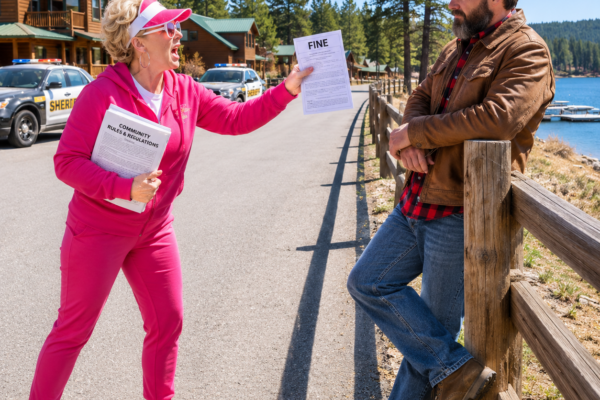
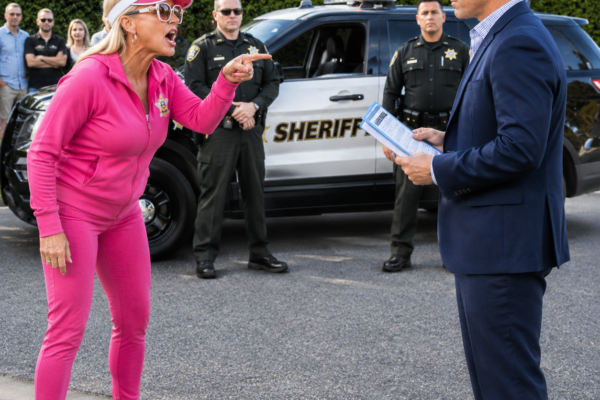
The HOA president called the police on my pond barbecue, and nine minutes after the first cruiser arrived, she learned the party was on private land her association had been using without a recorded easement for nearly a decade.
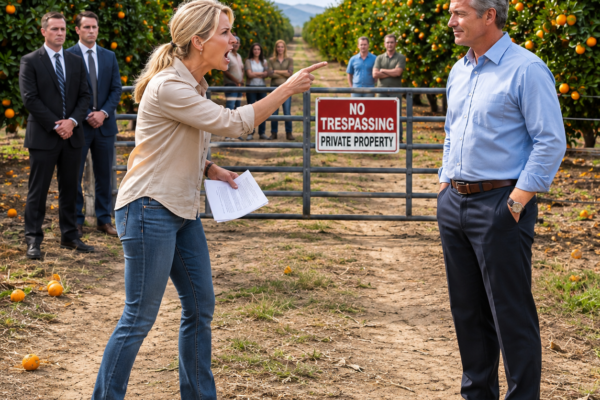
Brenda Miller expected three officers to shut down my cookout because she had spent six months treating Whispering Pines Estates like her personal municipality, and she had no idea I had already spent three weeks with a surveyor and real-estate attorney documenting exactly where my forty acres ended—and where the HOA’s supposedly “community-owned” walking trail crossed almost two acres of it.
What Brenda also didn’t know was that I had never joined her HOA, never signed its declaration, never paid dues, and still had my grandfather’s deeds, plats, tax records, and old letters showing the subdivision developer had once asked my family for permission to let residents walk around the pond.
My name is Arthur Pendleton. I inherited forty acres and a three-acre pond that had been in my family for generations. I lived on the east side, kept most of the pond natural, and had always let decent neighbors fish, walk, or sit under the cottonwoods as long as they treated the place respectfully.
Then Brenda became HOA president.
Suddenly my nephew needed an HOA fishing permit.
My pond supposedly required “water-feature registration.”
A family picnic required forty-eight hours’ approval.
And Brenda began standing at my property line filming me while citing rules that did not appear anywhere in the declaration.
My attorney, Thomas Vance, finally ordered a new boundary survey.
That survey changed everything.
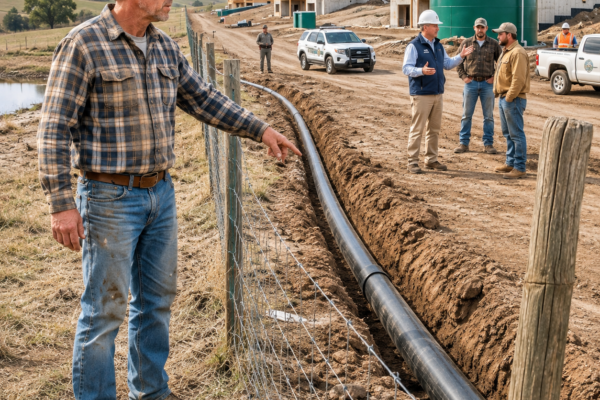
The HOA had built a gravel walking path years earlier that curved around the north end of my pond.
Almost two acres of the path corridor were mine.
The original developer had never purchased them.
No permanent easement had been recorded.
My grandfather had simply allowed neighbors to walk there.
Thomas told me not to start a war.
“Document first.”
So I did.
Then I scheduled a Memorial Day barbecue.
Twenty-five families.
Food truck.
Kids swimming in the shallow end.
Music low enough to satisfy county rules.
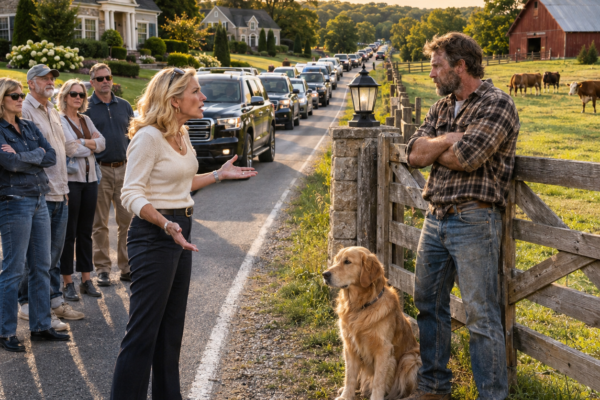
At 3:17 p.m., Brenda stormed across my grass and announced the gathering was illegal.
I offered her a hamburger.
She called the police.
At 3:31, the first cruiser arrived.
At 3:40, Sergeant Brooks handed my documents back, looked at Brenda, and said:
“Ma’am, whatever authority your HOA may have over its members, Mr. Pendleton is telling you to leave his property.”
Brenda stared at him.
Then at me.
I picked up the second envelope Thomas had prepared.
“Before you go, Brenda, there’s something your board needs to read about that walking trail.”
I did not hand the envelope to Sergeant Brooks.
That part matters.
Police officers do not become process servers just because the homeowner has a satisfying piece of paper in his hand.
I walked toward Brenda myself.
Officer Carter moved with me, not because he was delivering anything, but because Brenda had spent the previous five minutes talking louder every time somebody corrected her.
She looked at the envelope.
“What is that?”
“A letter from my attorney.”
“I don’t accept legal documents from you.”
“You don’t have to sign anything.”
I held it out.
“It’s also being sent to the association’s registered agent and management company.”
She did not take it.
So I placed it on the picnic table.
“You can read that copy or wait for yours.”
Her eyes narrowed.
“What does it say?”
“That the HOA does not have recorded ownership of the pond property.”
“I know you keep claiming that.”
“And the walking path.”
That stopped her.
“What about the walking path?”
I nodded toward the gravel trail visible through the trees.
“The section from the north gate to the old sycamore sits on my parcel.”
“No, it doesn’t.”
“The new survey says it does.”
“That path belongs to Whispering Pines.”
“Show me the deed.”
Her expression changed.
Not much.
Enough.
“We’ve maintained that path for ten years.”
“That doesn’t answer the question.”
“We installed benches.”
“Yes.”
“Trail markers.”
“Yes.”
“Insurance.”
“Maybe.”
She stepped toward me.
“And you think you can suddenly steal a community amenity?”
I almost laughed.
“Brenda, I’m not stealing the trail.”
“The trail is on my land.”
Sergeant Brooks spoke before she could respond.
“Ma’am, this sounds like a civil property issue.”
Exactly.
Brenda pointed at him.
“Then why are you taking his side?”
“I’m not.”
“You just told me to leave.”
“Because the person currently controlling this property has asked you to leave, and I have no court order establishing your association’s right to remain here.”
“He has thirty people trespassing on community land.”
Brooks looked toward the tables.
“They’re his invited guests.”
“According to him.”
“Correct.”
She made a sound of pure frustration.
Officer Carter said:
“Ms. Miller, if you believe the HOA has an easement, your attorney can address it.”
“I am the president.”
“That’s not the same thing as being the attorney.”
A few people laughed.
I wished they hadn’t.
Humiliation makes stubborn people worse.
Brenda heard.
Her jaw tightened.
Then she pointed at me.
“This is not finished.”
“No.”
“It isn’t.”
I said.
“But the barbecue is.”
“No, it’s not.”
She looked confused.
“I mean the barbecue is continuing.”
That got another laugh.
Brenda turned toward the officers.
“Are you seriously allowing this illegal assembly?”
Brooks sighed.
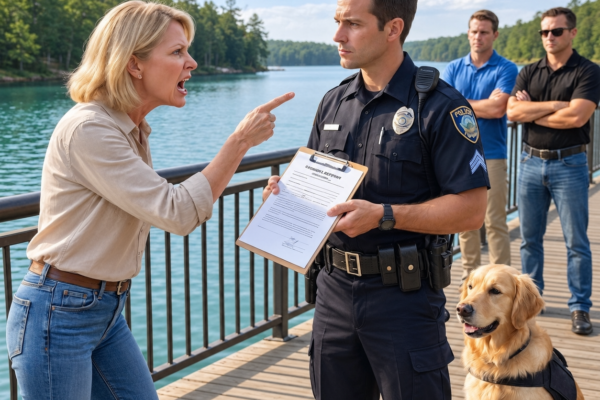
“Ma’am, we’ve been here nine minutes.”
“The music is not at a level suggesting a criminal noise violation.”
“We don’t see blocked roads.”
“No fighting.”
“No public intoxication issue.”
“The food vendor says he’s operating under his normal county permit.”
“And the property owner says this is a private gathering.”
“If you have evidence of a criminal offense, tell me.”
She opened her mouth.
Closed it.
Brooks continued.
“A covenant dispute is not something we enforce.”
That sentence spread through the crowd like somebody had opened a window.
People relaxed.
Not because HOA rules vanished.
Because everyone had watched Brenda call three patrol cars as if she were summoning her own enforcement division.
The officers were reminding her that association rules and criminal law were not interchangeable.
She did not like the distinction.
Finally she grabbed Thomas’s envelope from the table.
“I’ll see you in court.”
“That’s what the letter is for.”
She walked away.
Not escorted.
Not handcuffed.
Not publicly threatened with false-report charges.
She simply left because I had withdrawn permission for her to remain on my land and the police had made clear they were not going to shut down my barbecue for her.
That was enough.
The cruisers stayed another few minutes.
Sergeant Brooks took my information.
He asked for digital copy of video showing Brenda entering after I had repeatedly told her not to.
Not because he promised charges.
For documentation.
He said:
“If she comes back today after being clearly told to leave, call.”
“I will.”
“Do not physically remove her yourself.”
“I won’t.”
Then he looked at the pond.
“Burger any good?”
I smiled.
“Best evidence on property.”
He declined.
On duty.
The officers left.
The party did not instantly become wild.
For ten minutes everyone talked about Brenda.
That annoyed me.
I had invited people to eat.
Not attend a deposition.
So I walked to the speaker.
Turned the music up slightly.
Still reasonable.
Then I raised my drink.
“Anybody who mentions HOA for the next hour has to clean the grill.”
That worked.
Children went back to the shallow end.
David Mercer—my neighbor with the famously beige-mailbox fine—started a cannonball contest despite being forty-seven.
His wife told him he would rupture something.
Rachel Nolan brought a second tray of potato salad.
The food truck guy handed me a brisket sandwich and said:
“Best corporate event I’ve ever catered.”
“Not corporate.”
“Exactly.”
Around sunset, I found Thomas Vance sitting on the far dock with his shoes off.
He was technically my lawyer.
He was also my oldest friend.
We had played football together in high school until I discovered I was slow and he discovered he enjoyed arguing with referees more than playing.
Perfect career choice.
He looked across the pond.
“Well?”
“She took letter.”
“She read it?”
“Probably in car.”
“Police?”
“Did what police should.”
“Good.”
“No dramatic declaration that I own half the county.”
“Very disappointing.”
I sat beside him.
“What happens now?”
Thomas looked at me.
“Now everyone stops having fun.”
“Lawyers?”
“Lawyers.”
He took a sip.
“The trail is the complicated part.”
“You said it’s mine.”
“The dirt is yours.”
“Use rights are separate.”
That was why I hired him.
He ruined simple sentences.
“Explain.”
“The deeds do not show a recorded permanent easement in favor of HOA.”
“Good.”
“Yes.”
“But they have used it for roughly ten years.”
“With Grandpa’s permission.”
“We think.”
“You have his letters.”
“I have one letter.”
In 2009, the original developer, Walter Gaines, had written my grandfather asking permission for residents to walk a temporary pond loop while the subdivision’s own greenbelt was being graded.
Grandpa wrote by hand at bottom:
Neighbors can walk it as long as they shut gates and stay off hay field. No vehicles. No ownership transferred.
Then signed.
That was beautiful evidence of permissive use.
If use began with permission, it becomes harder for someone to claim hostile/adverse rights simply from continued use.
But permission can evolve.
Acquiescence.
Reliance.
Improvements.
Different doctrines.
Different facts.
Different state laws.
Thomas would not promise.
“Can I close it?”
“Maybe.”
“That sounds terrible.”
“It means don’t lock a gate tonight.”
“Why?”
“Because twenty-three families have used it for years.”
“Because the HOA has benches there.”
“Because we want to look reasonable.”
“Because if there is any emergency-access, drainage, utility, or implied-easement issue we missed, you don’t want to find out after trapping someone.”
“No one lives back there.”
“Still.”
He poked my shoulder.
“Do not become Brenda just because deed says your name.”
That shut me up.
“What do we do?”
“Notice.”
“Thirty days?”
“Probably.”
“Tell them permissive access is revoked unless agreement negotiated.”
“And until then?”
“Keep trail open.”
“Under conditions.”
“No motorized HOA maintenance equipment without permission.”
“No new signs.”
“No events.”
“No expansion.”
“Document.”
I nodded.
“So I didn’t actually kick them off my land today.”
Thomas smiled.
“You kicked their claimed jurisdiction off.”
“The trail comes later.”
Less satisfying.
More accurate.
The letter Brenda carried home said four things.
First:
Arthur Pendleton’s forty-acre parcel, including the three-acre pond, was not subject to the Whispering Pines Estates declaration based on title records reviewed to date.
Second:
The HOA must stop issuing covenant violations to me unless it could identify a recorded instrument binding my parcel.
Third:
The HOA’s existing walking path crossed land owned by me.
Fourth:
Any continued long-term use would need to be formalized by agreement or discontinued after reasonable notice.
No giant invoice.
No demand for ten years of rent.
Thomas refused.
“You allowed use.”
“Your grandfather allowed use.”
“You cannot retroactively turn permission into trespass rent because Brenda annoyed you.”
I asked:
“What if I really want to?”
“Then hire worse lawyer.”
So no backdated $200,000 demand.
Instead:
Preserve rights.
Negotiate.
That was enough to scare the board.
The HOA attorney called Thomas Monday morning.
Rebecca Klein.
Thomas put her on speaker after getting permission.
Rebecca started:
“We are reviewing title.”
“Good.”
“We disagree with your categorical statement that the association has no rights over the trail.”
“Which is why the letter says identify the right.”
“Our clients have maintained it openly for approximately a decade.”
“With written original permission.”
“We’ve seen your copy.”
“It’s pretty clear.”
“It refers to neighbors, not association.”
“Correct.”
“Which makes the association’s claim of ownership even more interesting.”
Rebecca paused.
Lawyers enjoy insulting each other with grammar.
Then:
“Our survey differs.”
“Send it.”
“We will.”
“And stop compliance notices against Arthur?”
“We are recommending suspension while title review occurs.”
“Good.”
“Not concession.”
“I didn’t say it was.”
Then Rebecca asked:
“Is Mr. Pendleton actually planning to close the walking path?”
Thomas looked at me.
I said:
“If the association wants to keep using my land, I want a written agreement.”
She heard.
“What terms?”
“Liability.”
“Maintenance.”
“Hours.”
“No claim of HOA control over pond.”
“No fishing permit nonsense.”
“No events without permission.”
“No expansion.”
“Insurance naming me where appropriate.”
“Contribution for maintenance.”
Thomas added:
“Surveyed easement corridor if agreement reached.”
Rebecca said:
“That sounds negotiable.”
It was.
That irritated me.
Part of me wanted a war.
Not because I liked conflict.
Because Brenda had spent months making me feel powerless, and now I had documents that frightened her board.
Power is addictive even when it arrives as correction.
Thomas recognized.
After call he said:
“You look disappointed.”
“I wanted them off.”
“No.”
“You wanted Brenda wrong.”
“Different.”
I hated when he did that.
“She is wrong.”
“Yes.”
“So?”
“So now decide what outcome is useful.”
That question followed me for weeks.
The board’s first emergency meeting happened Tuesday.
I did not attend.
I was not an HOA member.
David was.
He called afterward.
“You want full version?”
“Yes.”
“Three hours.”
“Short version.”
“Brenda got dismantled.”
“Legal language?”
“Fine.”
He slowed.
“The attorney told board your parcel is probably outside declaration.”
“Probably?”
“Lawyers.”
“Trail?”
“They may have use rights only through permission, not ownership.”
“Board knew?”
That was interesting.
David said:
“Old minutes from 2010 literally say ‘Pendleton family has graciously allowed residents pond-path access.’”
I stood up.
“Say that again.”
He did.
That was gold.
Not because it gave me every legal answer.
Because the HOA’s own historic minutes characterized use as permission.
Thomas practically purred when I sent.
Then David continued.
“Brenda tried to say previous board misunderstood.”
“Rebecca told her stop talking.”
I laughed.
“Then finances.”
“What finances?”
“Legal estimate.”
“Rebecca says litigating ownership could cost six figures if everybody decides to fight through discovery, survey experts, appeals.”
“Not that it will.”
“Potential.”
“Board freaked.”
“Good.”
“Then they talked about the police call.”
“And?”
“Brenda said she had reasonable concern about illegal commercial food operation.”
“The food truck has county permit.”
“Rebecca said exactly.”
“Noise?”
“County quiet hours not until ten.”
“Crowd?”
“Private.”
“Then Brenda said she was protecting association exposure.”
“To what?”
“Unknown.”
I laughed.
Then David got serious.
“They removed her as president.”
I stopped.
“Already?”
“Board vote.”
“What about director?”
“She stays director for now.”
Good.
Real process.
The five-member board selected officers.
It could remove her from presidency.
Members had to handle director recall under bylaws.
Vice president Priya Raman became interim president.
Not “Pram” from source confusion.
Priya Raman.
Retired civil engineer.
Quiet.
Competent.
She called me the next morning.
“Mr. Pendleton.”
“Arthur.”
“Priya.”
“I owe you an apology on behalf of association.”
“You don’t owe for Brenda personally.”
“I owe for our systems.”
That caught me.
“We allowed president to send notices without management review.”
“We allowed people to believe pond fell under HOA jurisdiction without confirming.”
“And we maintained a trail for years without written agreement.”
“All true.”
“I’m suspending enforcement against your parcel.”
“Thank you.”
“I’d also like to negotiate access.”
“Through lawyers.”
“Absolutely.”
Then:
“And Arthur?”
“Yes?”
“Your barbecue looked fun.”
I smiled.
“You were invited.”
“I know.”
“I was hiding from Brenda.”
Fair.
The recall petition started the next week.
Brenda did not resign.
That surprised people.
She believed title dispute was being exaggerated to remove her.
She campaigned.
Letters.
Door knocking.
Emails.
Her argument was not entirely ridiculous:
The neighborhood had become more orderly during her presidency.
Dues delinquency fell.
Entry landscaping improved.
She renegotiated trash contract.
She enforced rules previous boards ignored.
Some residents liked that.
But then came the negative.
Aggressive letters.
Invented interpretations.
Personal inspections.
Calling police on private events.
Treating nonmember property like HOA land.
Her supporters said she was “strict.”
Opponents said she was “out of control.”
Member vote was 38 to 2 in favor of recall.
The source version calls it a no-confidence vote.
Our documents called it removal of director by members.
Same emotional result.
Different mechanics.
Brenda’s two votes?
Herself and vice president? She was no longer officer. One vote came from Carl Whitmore, longtime ally. The other identity private.
No sister conspiracy.
She did not stand up and threaten everyone.
She stayed through count.
Then said:
“I hope you enjoy what happens when nobody enforces anything.”
Priya replied:
“We will continue enforcement.”
“Of actual rules.”
Meeting ended.
Brenda walked out.
No screaming.
No collapse.
That was more unsettling.
She genuinely believed the neighborhood had made mistake.
The trail negotiation took three months.
First HOA offer:
Permanent easement at no cost because of historic maintenance.
No.
My offer:
Annual license.
Revocable.
HOA carries liability coverage.
Trail closes dusk to dawn.
No HOA assertion of pond jurisdiction.
No motorized vehicles except maintenance with notice.
No fishing control.
No special events without written permission.
$2,400 annual contribution toward path maintenance/land impact.
They called that high.
I called it cheap.
Thomas told both of us to stop posturing.
Survey showed corridor occupied 1.74 acres if you included buffers around trail and benches.
Actual gravel footprint much less.
HOA had spent about $28,000 over decade maintaining and improving.
I had benefited indirectly because path erosion control helped pond bank.
They had benefit.
I had benefit.
Reasonable settlement existed.
Final deal:
Twenty-year nonexclusive pedestrian easement.
HOA paid one-time $18,000 contribution toward legal/survey costs and future land management.
Association responsible for trail surface, benches, and liability insurance.
Hours:
6:00 a.m. to 9:00 p.m.
No motorized recreational vehicles.
Maintenance vehicles with notice except emergency.
No enlargement without consent.
Explicit statement:
Easement does not subject remainder of Pendleton property, pond, residence, guests, activities, or structures to HOA covenants.
Fishing and pond use remain by my permission only.
Association posts signs:
PRIVATE PENDLETON PROPERTY — PEDESTRIAN ACCESS BY EASEMENT. PLEASE REMAIN ON TRAIL.
That sign gave me more satisfaction than closing trail would have.
Every walker saw truth.
Not hostile.
Just accurate.
I did temporarily close the path for nine days between expiration of informal permission and execution of new agreement because insurers needed coverage sorted.
That is technically when I “kicked the HOA off my land.”
Barricades at both ends.
Not residents trapped.
Alternative sidewalk route existed along neighborhood streets.
No emergency access depended on trail.
I put sign:
TRAIL CLOSED PENDING PROPERTY ACCESS AGREEMENT
Nothing about Brenda.
No gloating.
People complained anyway.
One woman confronted me.
“My husband walks here every morning.”
“I know.”
“Why punish us?”
“I’m not.”
“The HOA and I are finalizing easement.”
“Why close?”
“Liability coverage expired under old arrangement.”
“Couldn’t you leave open?”
“Thomas says no.”
“Your lawyer sounds fun.”
“He isn’t.”
She sighed.
Nine days later trail reopened.
She brought cookies.
Community survived.
The pond barbecue itself became annual.
That was not my plan.
Next Memorial Day David asked:
“Same?”
I said:
“No.”
Rachel said:
“Yes.”
Twenty families said yes before I had decided.
Fine.
We called it Pendleton Pond Day.
Not anti-HOA.
No Brenda jokes allowed on flyers.
Barbecue.
Fishing.
Kids.
Quiet-hour compliance.
Food truck.
Priya came.
She brought watermelon.
First time she stepped on property, she stopped at gate.
“Permission?”
I laughed.
“Granted.”
Good.
Brenda’s employment fallout was murky.
I refused to participate.
Someone sent videos to the regional bank where she worked as a compliance manager.
I did not know who.
The bank placed her on administrative leave.
That much she later mentioned in a legal letter alleging harassment.
I had no role.
Her employer investigated.
No public result.
Months later, LinkedIn showed she had left bank.
Whether fired or resigned?
I do not know.
I refuse to turn rumor into consequence.
Likewise police report.
She had called 911 claiming illegal assembly and commercial activity.
Was that criminal false reporting?
Sheriff’s office reviewed.
Prosecutor declined charge because she had stated facts and legal conclusions that were wrong, but evidence did not clearly establish she knowingly fabricated an emergency or criminal event in the way required for prosecution.
She received no $5,000 fine.
No summons.
Honestly, I preferred that.
The correction was enough:
Police did not become her HOA deputies.
The county did not punish every bad call as crime.
That boundary protects everyone too.
She did receive a formal trespass warning from me after barbecue.
If she entered my land outside public easement without permission, I would document.
She never did again.
Six months later, she sold her house.
Not in disgrace.
Market was strong.
She probably made money.
That annoyed David.
“She should lose everything.”
“Why?”
“Because story needs ending.”
“Life isn’t obligated.”
He frowned.
“Terrible attitude.”
She moved twenty miles away.
I rarely thought about her after.
Until a letter arrived almost two years later.
Handwritten.
No attorney.
Arthur,
I owe you an apology.
I read.
Then put down.
Made coffee.
Read again.
I believed that because the association had maintained the pond trail and because previous boards had discussed your property as part of neighborhood amenities, the HOA had broader authority than it actually did. That was legally careless.
Interesting choice:
Careless.
Not malicious.
Then:
More importantly, once you challenged me, I became determined to prove you wrong instead of determining whether you were right.
There.
That was real.
Calling police on your barbecue was embarrassing. I told myself I was protecting rules, but I was angry because you would not acknowledge my authority. The officers forced me to confront that I had confused association leadership with public authority.
Good.
Then:
I still believe some of Oakwood—Whispering Pines—needed stronger standards. But I handled disagreement badly and treated people as obstacles. I am sorry for trespassing on your pond property and for the harassment.
No plea for friendship.
No excuses.
I wrote back:
Thank you. I accept your apology. I hope you’re well.
That was all.
Thomas called me soft.
I told him his twenty-year easement was soft.
He reminded me who negotiated.
Fair.
Grandpa’s documents went into fireproof safe.
Not cardboard boxes anymore.
I digitized.
Deeds.
Surveys.
2009 permission letter.
2010 HOA minutes.
New easement.
Insurance.
Tax maps.
I also created file:
IF I DIE, READ THIS BEFORE TALKING TO HOA
My daughter laughed.
Yes, I had adult daughter, Emily, living in Denver.
She said:
“Dad, this is unhinged.”
“It is organized.”
“It has tabs.”
“Exactly.”
“Why is there a tab called ‘BRenda’?”
“Lowercase typo.”
“You’re impossible.”
She promised to read.
Good.
I had spent years not paying attention because Grandpa’s title felt permanent.
Land ownership can be permanent on paper and still become confusing through decades of informal arrangements.
Permission unrecorded.
Paths.
Utilities.
Drainage.
Neighbor access.
Then memory replaces documents.
Eventually somebody says:
“Everybody knows.”
Dangerous phrase.
Everybody knew HOA controlled pond.
Except records.
Everybody knew trail belonged community.
Except deed.
Everybody knew Brenda could approve gatherings.
Except me.
That case made me more careful.
Not paranoid.
Precise.
If I let neighbor cross pasture, written permission.
If utility needs access, easement.
If HOA maintains trail, agreement.
Paper prevents grandchildren from fighting over somebody else’s memory.
Thomas said:
“You finally became adult landowner at sixty.”
I was fifty-eight.
“Close enough.”
The pond stayed private.
But generous.
That mattered.
One temptation after winning was lock everything.
No fishing.
No swimming.
No neighbors.
Why risk?
Then I remembered Grandpa.
His note did not say:
Keep everyone out.
It said:
Neighbors can walk if they shut gates.
He wanted sharing.
Voluntary.
So I kept.
Fishing allowed with me or family permission.
No HOA permit.
No fee.
Kids swim when parents present.
No alcohol near shallow children area.
Barbecue annual.
Trail public-to-residents by easement.
Boundaries did not end community.
They made it honest.
David’s beige mailbox remained beige for years.
Then he painted it dark green under approved palette.
He sent me picture:
REBELLION
I said:
Form submitted?
He replied:
Unfortunately.
Priya’s board made enforcement boring.
Every notice cited provision.
No president-issued fines.
Management review.
Appeal.
Clear deadlines.
No private-property inspections outside HOA lots.
Meetings shortened.
Noise.
Parking.
Real problems.
One year they fined David for leaving boat trailer in street too long.
He complained.
I read rule.
“They’re right.”
He looked betrayed.
“You’re supposed to hate HOA.”
“I hate bad authority.”
“This is good authority?”
“This is annoying authority.”
“Different.”
He paid.
We laughed.
The trail itself needed bridge replacement seven years later.
HOA asked permission.
Engineering plan crossed slightly outside easement during construction staging.
Could have said no.
Instead temporary license.
Insurance.
Restoration.
Done.
That was what I had wanted all along.
Ask.
Document.
Respect.
The pond never became HOA asset.
But residents still loved.
One fall, invasive algae bloom required treatment.
HOA offered funds because trail users affected.
I accepted partial cost under separate written agreement explicitly no ownership interest.
Thomas said:
“You’re finally learning.”
Then billed me.
Retirement apparently fictional.
Sergeant Brooks retired too.
At annual barbecue after retirement, he came as guest.
I handed burger.
“Now?”
“Yes.”
“Evidence?”
“Destroyed.”
He laughed.
I asked what he remembered about original call.
He said:
“Honestly?”
“Yes.”
“I thought we were driving into a neighbor argument.”
“Wasn’t?”
“It was.”
“That’s most calls.”
“People expect officers to decide who is legally right about everything.”
“We don’t.”
“We keep peace.”
“Handle crimes.”
“Document.”
“Courts decide title.”
Exactly.
He said:
“The most useful thing you did was have paperwork and stay calm.”
“Not the most entertaining.”
“No.”
“If you’d been screaming about land theft, I’d still tell everyone separate.”
Fair.
He looked at trail sign.
“Nice sign.”
“Cost eighteen grand.”
“Expensive sign.”
“Came with easement.”
He shook head.
Property law.
Emily eventually inherited? Not yet.
Years later she came home with my grandson, Caleb.
He was eight.
We fished.
At pond edge he pointed to walkers.
“Do they own path?”
“No.”
“Do you?”
“The land under it.”
“Then why can they use?”
“Because I gave them permission in writing.”
“Why?”
“Because people like walking.”
He considered.
“What if you stop liking them?”
“Agreement still exists.”
He frowned.
“Then why sign?”
That was excellent question.
“Because if you promise something in a real agreement, other people should be able to rely on it even when you’re grumpy.”
He nodded.
That might be entire story.
Rights run both ways.
I wanted HOA to respect mine.
Once I granted easement, I had to respect theirs.
No revenge closures because president annoyed.
No surprise signs.
No arbitrary new rules.
Boundaries create obligations too.
Grandpa’s informal permission had worked because people trusted him.
Modern neighborhood needed something more durable.
That was fine.
The original folder I carried to barbecue stays in office.
Not dramatic.
Survey has grease stain from picnic table.
Deed copy.
Tax maps.
Thomas’s cease-and-desist.
Police case number.
New easement inserted later.
Sometimes people ask to see.
I do not give tours of evidence.
Life moved.
Brenda became anecdote.
The title online sounds like I pulled some trap:
HOA Karen Called the Cops on My Pond BBQ 9 Minutes Later, I Kicked Her HOA Off My Land
Truth:
I spent weeks researching before barbecue.
Nine minutes was only moment her assumption publicly met outside authority.
The actual land resolution took months.
The HOA was off my pond jurisdiction immediately because it never had it.
The walking trail took negotiation.
No cop transferred property.
No president went to jail.
No neighborhood revolution over mailbox colors.
Just records finally catching up with habits.
That is less explosive.
More useful.
If somebody claims your land belongs to association because “we’ve always treated it that way,” ask for recorded instrument.
If somebody says you joined HOA, ask for declaration and chain.
If somebody uses your property with permission, document permission.
If you discover a path on your land, do not throw up barricades before checking easements.
If police arrive over covenant dispute, stay calm.
And if someone calls barbecue illegal at three in afternoon, verify noise ordinance before turning music up.
I did.
Ten p.m.
We ended at nine-thirty.
Responsible rebellion.
The best ending happened years after Brenda left.
Memorial Day.
Same pond.
Same barbecue.
Bigger cottonwoods.
Children who had once cannonballed were college students.
David had gray hair.
Priya no longer board president.
Thomas walked with bad knee.
Sergeant Brooks wore Hawaiian shirt that should have been prohibited by any decent covenant.
Emily brought Caleb.
At sunset, I walked along trail.
Residents passed.
Some knew story.
Most new people did not.
Good.
One woman stopped at sign.
PRIVATE PENDLETON PROPERTY — PEDESTRIAN ACCESS BY EASEMENT
She asked:
“Do we have to stay on gravel?”
“Yes, please.”
“Can my kids fish?”
“Ask me first.”
“You’re Arthur?”
“I am.”
She smiled.
“Someone said pond owner is difficult.”
“Probably David.”
She laughed.
Then asked:
“Can they fish?”
“Yes.”
“Today?”
“Yes.”
“Thank you.”
That was all.
No clipboard.
No permit application.
No HOA committee.
Permission.
I watched her children run to dock.
For a second I thought about closing everything years ago.
How satisfying it would have felt for maybe a week.
Chain the path.
Private property signs.
Let Brenda explain.
But then the pond would have become a monument to conflict.
Grandpa never wanted that.
He wanted neighbors.
He simply expected them to remember whose land they were standing on.
So did I.
Nine minutes after police arrived, Brenda lost the illusion that her HOA governed my pond.
Three months later, her HOA gained a legitimate right to use one narrow trail because we negotiated it openly.
That might sound less victorious than kicking everybody out forever.
It was better.
They stopped claiming what was mine.
I stopped treating what was mine as something I had to defend by excluding everyone.
The barbecue kept happening.
The trail stayed open.
The pond stayed in my family.
And the sign at the gate quietly said everything Brenda’s clipboard never could:
Access can be shared.
Ownership can be respected.
And neither requires pretending one is the other.